
feng shui:
wind + water
the wisdom of nature, applied to home
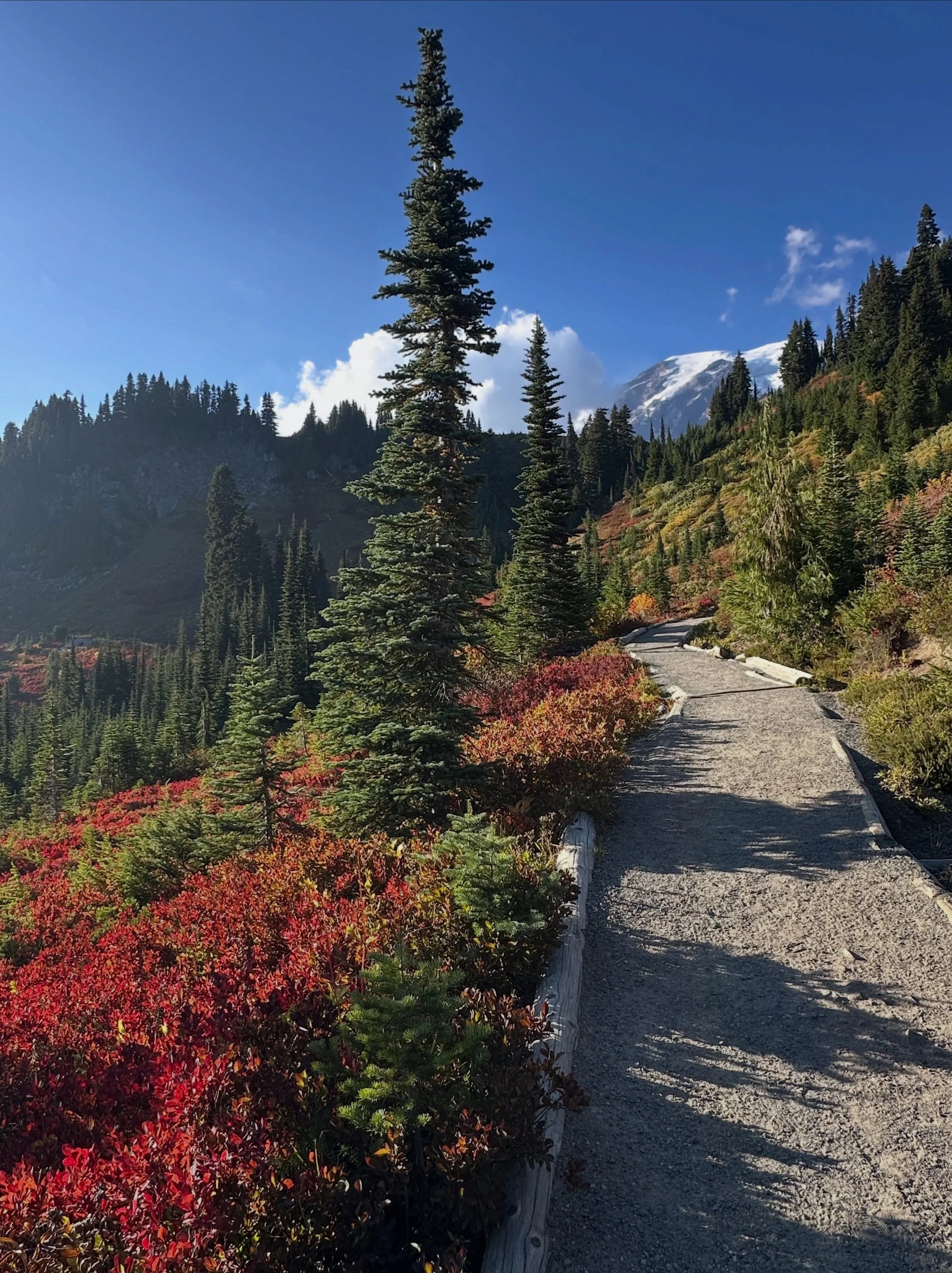
I grew up with a deep love of nature. Summers spent on a tiny island, a college major in biology, and a draw towards experiencing diverse landscapes shaped the way I respect the natural world.
So when I was in school for interior design twenty-five years ago and a guest lecturer introduced feng shui as a framework of honoring nature as an intelligent teacher of design, something immediately clicked for me.
This body of knowledge grew out of thousands of years of observing both natural and built environments—and understanding how the arrangement of forms (like mountains and valleys, doorways and walls) influences the movement of energy, (or chi, or wind and water - the meaning of the words “feng shui”), through a place. Those patterns can affect whether a space feels peaceful or unsettling, enlivening or draining — and this of course impacts the experience of the humans who live and spend time there.
"I was skeptical about feng shui before,
but now I can actually feel the difference.”
form defines energy
I explored many different schools of feng shui until I found the approach that resonated with my scientific and intuitive mind.
I wasn’t drawn to the schools that map particular corners of a home to prescribed aspects of life, or to the ones that rely heavily on astrology or birth dates or compass directions regardless of the architecture and landscape (you may have heard of these…)
I connected instead with the Form School, the oldest tradition of feng shui, which begins with what is actually present and observable: the land, the architecture and its setting, the entryways and the paths of movement and attention through a space, the balance of materials and furnishings, and the experience of how a space feels. I appreciate that this approach is grounded, intuitive, and that its subtly powerful effects can often be felt right away.
The essence of this feng shui is that the material aspects of a form defines its energy, and the arrangement of forms defines how energy moves through a space.
Nature provides clear models for this. A strong mountain offers protection and support. A gently meandering stream carries energy through a landscape without rushing or becoming stagnant. A sheltered clearing with a view can feel safe for gathering while still opening to light and possibility.
The same principles can be translated into architecture and interiors. Rather than applying a predetermined formula to a home, this approach asks us to pay careful attention.
Where does energy naturally enter a space, and where does it go from there? How does the placement of the furnishings shape the feel of the space? Are there places where we naturally want to linger? How do humans experience the space, and how does that impact their lives? And most importantly — how can we massage the environment to create the most elevated experience?
In 2005 I became a certified practitioner of Form School feng shui at the Blue Mountain Institute under the late Dr. Shantung Hsu, whose teaching gave me a practical and flexible framework for understanding and applying this wisdom.
feng shui + interior design
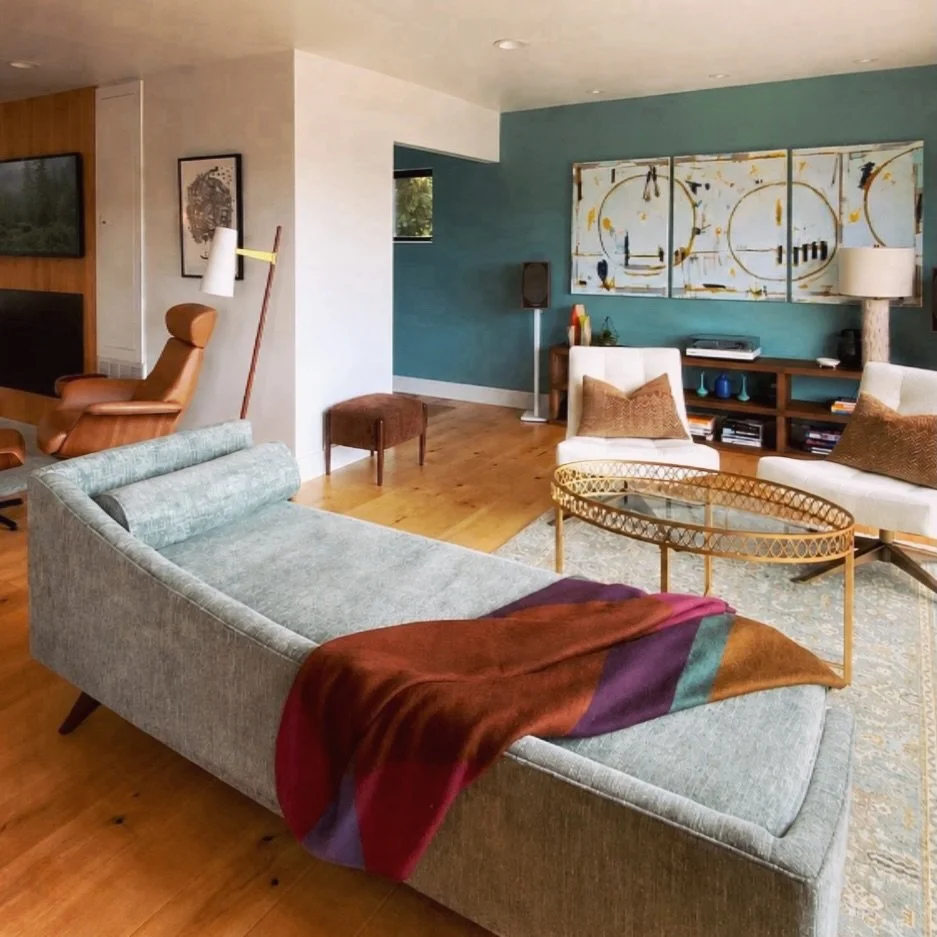
From my perspective, interior design and feng shui are not separate disciplines, and it is extra impactful to use them together. While interior design deals primarily with the material plane and feng shui deals with the corresponding energetic plane, they are both methods for designing environments to best enhance the lives of the humans who inhabit and experience them.
Feng shui informs the way I think about space planning and the flow of a home, the nuanced placement of furnishings and the balance of forms and finishes. It influences how I consider entrances and views, how and where a bed, desk, or favorite chair feels most supportive, and how rooms connect to one another and to the outdoors. It inspires me to look beyond whether a space simply works and looks good to consider how it feels and how it supports us.
Interior design provides me with an abundance of tools and materials — with furniture, finishes, lighting, color, texture and art — to not only address the function and beauty of a space but also to optimize its energy. A dead, unused corner might get a warm glowing lamp and a welcoming cozy chair, and a long lonely hallway might get a an colorful patterned rug to travel along. Spaces get activated and massaged into harmony with livable, practical, beautiful elements.
Feng shui principles are woven quietly into my design process. They don't require a particular aesthetic, belief system, or even an interest in feng shui on the part of my clients. They simply give me another, deeper lens through which to understand a home.
For clients who are curious, I'm always happy to explain the feng shui principles behind my recommendations. For those who aren't, they may simply experience the result as a room that feels unusually comfortable, nourishing, and alive.
In my experience, integrating feng shui into interior design provides a magical and powerful toolset for creating spaces that are functional, beautiful, and deeply supportive. This is what I offer to you.
"What I loved best about what Gwen did
was the way the space felt when she was done.”